
Ромео и Джульетта: метод параллельного погружения
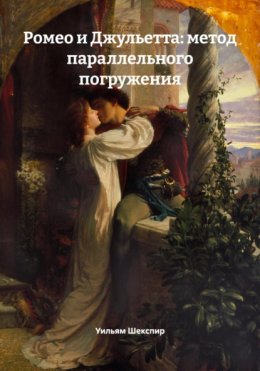
THE TRAGEDY OF ROMEO AND JULIET
by William Shakespeare
Dramatis Personæ (Действующие лица)
ESCALUS, Prince of Verona.(Эскал, герцог Веронский; prince– князь, правитель)
MERCUTIO, kinsman to the Prince, and friend to Romeo.(Меркуцио, родственник герцога и друг Ромео; kinsman– родственник)
PARIS, a young Nobleman, kinsman to the Prince.(Парис, молодой дворянин, родственник герцога)
Page to Paris.(Паж Париса)
MONTAGUE, head of a Veronese family at feud with the Capulets.(Монтекки, глава веронской семьи, враждующей с Капулетти; feud– вражда, междоусобица)
LADY MONTAGUE, wife to Montague.(Синьора Монтекки, жена Монтекки)
ROMEO, son to Montague.(Ромео, сын Монтекки)
BENVOLIO, nephew to Montague, and friend to Romeo.(Бенволио, племянник Монтекки и друг Ромео; nephew– племянник)
ABRAM, servant to Montague.(Абрам, слуга Монтекки)
BALTHASAR, servant to Romeo.(Бальтазар, слуга Ромео)
CAPULET, head of a Veronese family at feud with the Montagues.(Капулетти, глава веронской семьи, враждующей с Монтекки)
LADY CAPULET, wife to Capulet.(Синьора Капулетти, жена Капулетти)
JULIET, daughter to Capulet.(Джульетта, дочь Капулетти)
TYBALT, nephew to Lady Capulet.(Тибальт, племянник синьоры Капулетти)
CAPULET’S COUSIN, an old man.(Старик, родственник Капулетти; cousin– здесь: дальний родственник)
NURSE to Juliet.(Кормилица Джульетты; nurse– нянька, воспитательница)
PETER, servant to Juliet’s Nurse.(Пьетро, слуга кормилицы Джульетты)
SAMPSON, servant to Capulet.(Самсон, слуга Капулетти)
GREGORY, servant to Capulet.(Грегори, слуга Капулетти)
Servants.(Слуги)
FRIAR LAWRENCE, a Franciscan.(Брат Лоренцо, францисканец)
FRIAR JOHN, of the same Order.(Брат Джованни, из того же ордена)
An Apothecary.(Аптекарь; apothecary– устар. форма слова "pharmacist")
CHORUS.(Хор)
Three Musicians.(Три музыканта)
An Officer.(Пристав)
Citizens of Verona; several Men and Women, relations to both houses; Maskers, Guards, Watchmen and Attendants.
(Горожане Вероны; родственники обоих домов, мужчины и женщины; маски, стража, часовые и слуги)
Dramatis Personæ
ESCALUS, Prince of Verona.
MERCUTIO, kinsman to the Prince, and friend to Romeo.
PARIS, a young Nobleman, kinsman to the Prince.
Page to Paris.
MONTAGUE, head of a Veronese family at feud with the Capulets.
LADY MONTAGUE, wife to Montague.
ROMEO, son to Montague.
BENVOLIO, nephew to Montague, and friend to Romeo.
ABRAM, servant to Montague.
BALTHASAR, servant to Romeo.
CAPULET, head of a Veronese family at feud with the Montagues.
LADY CAPULET, wife to Capulet.
JULIET, daughter to Capulet.
TYBALT, nephew to Lady Capulet.
CAPULET’S COUSIN, an old man.
NURSE to Juliet.
PETER, servant to Juliet’s Nurse.
SAMPSON, servant to Capulet.
GREGORY, servant to Capulet.
Servants.
FRIAR LAWRENCE, a Franciscan.
FRIAR JOHN, of the same Order.
An Apothecary.
CHORUS.
Three Musicians.
An Officer.
Citizens of Verona; several Men and Women, relations to both houses; Maskers, Guards, Watchmen and Attendants.
SCENE. During the greater part of the Play in Verona; once, in the Fifth Act, at Mantua.(Место действия. Почти всё происходит в Вероне; один раз, в пятом акте, – в Мантуе)
THE PROLOGUE(ПРОЛОГ)
Enter Chorus.(Выходит Хор)
CHORUS.(ХОР)
Two households, both alike in dignity,(Два дома, равные по положению и чести; household– род, семья) In fair Verona, where we lay our scene,(В прекрасной Вероне, где разворачивается действие) From ancient grudge break to new mutiny,(Из давней вражды вспыхивает новый мятеж; grudge– затаённая ненависть, mutiny– бунт) Where civil blood makes civil hands unclean.(Где гражданская кровь марает руки сограждан; unclean– нечистые, запятнанные) From forth the fatal loins of these two foes(Из роковых чресел этих двух врагов; fatal– обречённый, loins– чресла, род) A pair of star-cross’d lovers take their life;(Пара влюблённых, обречённых звёздами, лишает себя жизни; star-cross’d– несчастливые от рождения) Whose misadventur’d piteous overthrows(Чья жалкая трагическая гибель; misadventur’d– несчастный случай, overthrows– падения, крушения) Doth with their death bury their parents’ strife.(Смертью своей они хоронят вражду своих родителей; strife– распря) The fearful passage of their death-mark’d love,(Страшный путь их обречённой любви; death-mark’d– помеченной смертью) And the continuance of their parents’ rage,(И продолжение ярости их родителей) Which, but their children’s end, nought could remove,(Которую не уняло бы ничто, кроме гибели их детей) Is now the two hours’ traffic of our stage;(И вот теперь это – двухчасовое представление на нашей сцене; traffic– ход, течение действия) The which, if you with patient ears attend,(И если вы с терпением выслушаете) What here shall miss, our toil shall strive to mend.(То, чего не хватит в этом прологе, мы постараемся восполнить игрой; toil– труд)
SCENE. During the greater part of the Play in Verona; once, in the Fifth Act, at Mantua.
THE PROLOGUE
Enter Chorus.
CHORUS.
Two households, both alike in dignity,
In fair Verona, where we lay our scene,
From ancient grudge break to new mutiny,
Where civil blood makes civil hands unclean.
From forth the fatal loins of these two foes
A pair of star-cross’d lovers take their life;
Whose misadventur’d piteous overthrows
Doth with their death bury their parents’ strife.
The fearful passage of their death-mark’d love,
And the continuance of their parents’ rage,
Which, but their children’s end, nought could remove,
Is now the two hours’ traffic of our stage;
The which, if you with patient ears attend,
What here shall miss, our toil shall strive to mend.
ACT I (АКТ I)
SCENE I. A public placeI. (СЦЕНА I Площадь)
Enter Sampson and Gregory armed with swords and bucklers.(Выходят Самсон и Грегори с мечами и щитами)
SAMPSON. Gregory, on my word, we’ll not carry coals.(Грегори, клянусь, мы не станем сносить обиды; carry coals– терпеть унижения)
GREGORY. No, for then we should be colliers.(Нет, а то мы были бы угольщиками; colliers– угольщики, игра слов)
SAMPSON. I mean, if we be in choler, we’ll draw.(Я имею в виду: если мы будем в гневе – вытащим мечи; in choler– в ярости, draw– обнажить оружие)
GREGORY. Ay, while you live, draw your neck out o’ the collar.(Да, пока жив, вытаскивай шею из ошейника; collar– намёк на виселицу)
SAMPSON. I strike quickly, being moved.(Я бью быстро, если меня задеть.)
GREGORY. But thou art not quickly moved to strike.(Но ты не так легко раздражаешься, чтобы ударить; thou– ты)
SAMPSON. A dog of the house of Montague moves me.(Пёс из дома Монтекки меня задевает.)
GREGORY. To move is to stir; and to be valiant is to stand: therefore, if thou art moved, thou runn’st away.(Задеть – значит шевельнуть. А быть храбрым – стоять. Так что, если ты «задет», ты бежишь; valiant– храбрый, run’st– бежишь)
SAMPSON. A dog of that house shall move me to stand. I will take the wall of any man or maid of Montague’s.(Пёс из того дома заставит меня стоять. Я пойду ближе к стене, чем любой мужчина или девушка из Монтекки; take the wall– идти у стены – знак превосходства)
GREGORY. That shows thee a weak slave, for the weakest goes to the wall.(Это доказывает, что ты слабак, ведь слабейших прижимают к стенке; thee– тебя)
SAMPSON. True.(Верно.) And therefore women, being the weaker vessels, are ever thrust to the wall.(И потому женщины, как более слабые сосуды, всегда оказываются у стены; vessels– сосуды, тела) Therefore I will push Montague’s men from the wall.(Поэтому я столкну мужчин Монтекки от стены.) And thrust his maids to the wall.(А его девушек – прижму к стене.)
GREGORY. The quarrel is between our masters and us their men.(Ссора – между нашими господами и нами, их слугами.)
SAMPSON. ’Tis all one.(Всё едино; ’tis– это есть) I will show myself a tyrant.(Я покажу себя тираном.) When I have fought with the men(Когда я сразился с мужчинами) I will be civil with the maids – I will cut off their heads.(С девушками я буду «вежлив» – отрублю им головы; civil– с иронией: вежливый / жестокий)
GREGORY. The heads of the maids?(Головы девушек?)
SAMPSON. Ay, the heads of the maids, or their maidenheads; take it in what sense thou wilt.(Да, головы девушек – или их девственность. Понимай, как хочешь; maidenhead– девственность, wilt– хочешь)
GREGORY. They must take it in sense that feel it.(Они поймут это телом – кто почувствует, тот поймёт.)
SAMPSON. Me they shall feel while I am able to stand: and ’tis known I am a pretty piece of flesh.(Они меня почувствуют, пока я стою на ногах. Ведь известно, что я – отменный кусок; ’tis– это есть)
GREGORY. ’Tis well thou art not fish; if thou hadst, thou hadst been poor John. Draw thy tool; here comes of the house of Montagues.(Хорошо, что ты не рыба: а то был бы дешёвый солёный хек. Выхватывай оружие – вот идут из дома Монтекки; poor John– дешёвая солёная рыба, tool– оружие, thou hadst– ты бы имел)
ACT I
SCENE I. A public place.
Enter Sampsonand Gregoryarmed with swords and bucklers.
SAMPSON.
Gregory, on my word, we’ll not carry coals.
GREGORY.
No, for then we should be colliers.
SAMPSON.
I mean, if we be in choler, we’ll draw.
GREGORY.
Ay, while you live, draw your neck out o’ the collar.
SAMPSON.
I strike quickly, being moved.
GREGORY.
But thou art not quickly moved to strike.
SAMPSON.
A dog of the house of Montague moves me.
GREGORY.
To move is to stir; and to be valiant is to stand: therefore, if thou art moved, thou runn’st away.
SAMPSON.
A dog of that house shall move me to stand.
I will take the wall of any man or maid of Montague’s.
GREGORY.
That shows thee a weak slave, for the weakest goes to the wall.
SAMPSON.
True, and therefore women, being the weaker vessels, are ever thrust to the wall: therefore I will push Montague’s men from the wall, and thrust his maids to the wall.
GREGORY.
The quarrel is between our masters and us their men.
SAMPSON.
’Tis all one, I will show myself a tyrant: when I have fought with the men I will be civil with the maids, I will cut off their heads.
GREGORY.
The heads of the maids?
SAMPSON.
Ay, the heads of the maids, or their maidenheads; take it in what sense thou wilt.
GREGORY.
They must take it in sense that feel it.
SAMPSON.
Me they shall feel while I am able to stand: and ’tis known I am a pretty piece of flesh.
GREGORY.
’Tis well thou art not fish; if thou hadst, thou hadst been poor John. Draw thy tool; here comes of the house of Montagues.
Enter Abram and Balthasar.(Входят Абрам и Бальтазар)
SAMPSON. My naked weapon is out: quarrel, I will back thee.(У меня меч уже обнажён. Начинай ссору – я тебя поддержу; naked weapon– обнажённое оружие, quarrel– ссора, back– поддерживать)
GREGORY. How? Turn thy back and run?(Как? Поддержишь – повернёшь спиной и убежишь?; thy– твой)
SAMPSON. Fear me not.(Не бойся за меня.)
GREGORY. No, marry; I fear thee!(Нет уж. С таким союзником я боюсь тебя!; marry– старинное междометие, выражающее удивление)
SAMPSON. Let us take the law of our sides; let them begin.(Будем на стороне закона. Пусть они начнут первыми; take the law of our sides– быть под прикрытием закона)
GREGORY. I will frown as I pass by, and let them take it as they list.(Я нахмурюсь, проходя мимо. А они пусть понимают как хотят; frown– хмуриться, list– пожелать)
SAMPSON. Nay, as they dare. I will bite my thumb at them, which is disgrace to them if they bear it.(Нет – пусть решаются. Я укушу при них себе большой палец – это оскорбление, если они стерпят; bite my thumb– жест презрения, bear it– стерпеть)
ABRAM. Do you bite your thumb at us, sir?(Вы кусаете себе палец в наш адрес, сэр?)
SAMPSON. I do bite my thumb, sir.(Я кусаю себе палец, сэр.)
ABRAM. Do you bite your thumb at us, sir?(Вы это в наш адрес делаете, сэр?)
SAMPSON. Is the law of our side if I say ay?(Закон на нашей стороне, если я скажу «да»?; ay– да)
GREGORY. No.(Нет.)
SAMPSON. No sir, I do not bite my thumb at you, sir; but I bite my thumb, sir.(Нет, сэр. Я не в ваш адрес кусаю палец, сэр… но палец я кусаю, сэр.)
GREGORY. Do you quarrel, sir?(Вы ссоритесь, сэр?; quarrel– ссориться)
ABRAM. Quarrel, sir? No, sir.(Ссориться, сэр? Нет, сэр.)
SAMPSON. But if you do, sir, I am for you. I serve as good a man as you.(А если вы начнёте, сэр – я к вашим услугам. Я служу не худшему человеку, чем вы.)
ABRAM. No better.(Но и не лучшему.)
SAMPSON. Well, sir.(Что ж, сэр.)
Enter Abramand Balthasar.
SAMPSON.
My naked weapon is out: quarrel, I will back thee.
GREGORY.
How? Turn thy back and run?
SAMPSON.
Fear me not.
GREGORY.
No, marry; I fear thee!
SAMPSON.
Let us take the law of our sides; let them begin.
GREGORY.
I will frown as I pass by, and let them take it as they list.
SAMPSON.
Nay, as they dare. I will bite my thumb at them, which is disgrace to them if they bear it.
ABRAM.
Do you bite your thumb at us, sir?
SAMPSON.
I do bite my thumb, sir.
ABRAM.
Do you bite your thumb at us, sir?
SAMPSON.
Is the law of our side if I say ay?
GREGORY.
No.
SAMPSON.
No sir, I do not bite my thumb at you, sir; but I bite my thumb, sir.
GREGORY.
Do you quarrel, sir?
ABRAM.
Quarrel, sir? No, sir.
SAMPSON.
But if you do, sir, I am for you. I serve as good a man as you.
ABRAM.
No better.
SAMPSON.
Well, sir.
Enter Benvolio.(Входит Бенволио)
GREGORY. Say better; here comes one of my master’s kinsmen.(Скажи: лучше – вот идёт один из родственников моего господина; kinsman– родственник)
SAMPSON. Yes, better, sir.(Да, лучше, сэр.)
ABRAM. You lie.(Вы лжёте.)
SAMPSON. Draw, if you be men. Gregory, remember thy washing blow.(Выхватывайте мечи, если вы мужчины. Грегори, помни про свой выверенный удар; draw– обнажать оружие, thy– твой)
[They fight.](Они сражаются.)
BENVOLIO. Part, fools! put up your swords, you know not what you do.(Разойдитесь, глупцы! Уберите мечи – вы не понимаете, что творите; put up– уберите)
[Beats down their swords.](Разнимает их, сбивая мечи.)
Enter Tybalt.(Входит Тибальт)
TYBALT. What, art thou drawn among these heartless hinds? Turn thee, Benvolio, look upon thy death.(Что, ты обнажил меч среди этих жалких слуг? Обернись, Бенволио – взгляни на свою смерть; art thou– ты что, hinds– слуги, грубое слово, turn thee– обернись)
BENVOLIO. I do but keep the peace, put up thy sword, or manage it to part these men with me.(Я лишь поддерживаю мир. Убери свой меч – или используй его, чтобы разнять этих людей вместе со мной; put up– спрячь, manage– используй, направь)
TYBALT. What, drawn, and talk of peace? I hate the word as I hate hell, all Montagues, and thee: Have at thee, coward.(Ты с мечом – и говоришь о мире? Я ненавижу это слово, как ненавижу ад, всех Монтекки и тебя. Получай, трус; have at thee– получай, держись)
[They fight.](Они сражаются.)
Enter Benvolio.
GREGORY.
Say better; here comes one of my master’s kinsmen.
SAMPSON.
Yes, better, sir.
ABRAM.
You lie.
SAMPSON.
Draw, if you be men. Gregory, remember thy washing blow.
[They fight.]
BENVOLIO.
Part, fools! put up your swords, you know not what you do.
[Beats down their swords.]
Enter Tybalt.
TYBALT.
What, art thou drawn among these heartless hinds?
Turn thee Benvolio, look upon thy death.
BENVOLIO.
I do but keep the peace, put up thy sword,
Or manage it to part these men with me.
TYBALT.
What, drawn, and talk of peace? I hate the word
As I hate hell, all Montagues, and thee:
Have at thee, coward.
[They fight.]
Enter three or four Citizens with clubs.(Вбегают трое-четверо горожан с дубинками)
FIRST CITIZEN. Clubs, bills and partisans! Strike! Beat them down! Down with the Capulets! Down with the Montagues!(Дубинки, алебарды и пики! Бей! Сбить их! Долой Капулетти! Долой Монтекки!; bills– алебарды, partisans– пики, beat down– сбить, подавить)
Enter Capulet in his gown, and Lady Capulet.(Входит Капулетти в халате, и синьора Капулетти)
CAPULET. What noise is this? Give me my long sword, ho!(Что за шум? Эй, дайте мне мой длинный меч!; long sword– старомодный длинный меч)
LADY CAPULET. A crutch, a crutch! Why call you for a sword?(Костыль, костыль! Зачем тебе меч?; crutch– костыль)
CAPULET. My sword, I say! Old Montague is come, and flourishes his blade in spite of me.(Меч, говорю! Старый Монтекки явился – и размахивает клинком мне назло; flourishes– размахивает, in spite of– назло)
Enter Montague and his Lady Montague.(Входят Монтекки и синьора Монтекки)
MONTAGUE. Thou villain Capulet! Hold me not, let me go.(Ты, негодяй Капулетти! Не держи меня – дай мне идти!; thou– ты, villain– подлец)
LADY MONTAGUE. Thou shalt not stir one foot to seek a foe.(Ты не сдвинешься с места, чтобы искать врага; shalt– должен, stir– двинуться)
Enter three or four Citizenswith clubs.
FIRST CITIZEN.
Clubs, bills and partisans! Strike! Beat them down!
Down with the Capulets! Down with the Montagues!
Enter Capuletin his gown, and Lady Capulet.
CAPULET.
What noise is this? Give me my long sword, ho!
LADY CAPULET.
A crutch, a crutch! Why call you for a sword?
CAPULET.
My sword, I say! Old Montague is come,
And flourishes his blade in spite of me.
Enter Montagueand his Lady Montague.
MONTAGUE.
Thou villain Capulet! Hold me not, let me go.
LADY MONTAGUE.
Thou shalt not stir one foot to seek a foe.
Enter Prince Escalus, with Attendants.(Входит князь Эскал с сопровождающими)
PRINCE. Rebellious subjects, enemies to peace, profaners of this neighbour-stained steel,—(Мятежные подданные, враги мира, осквернители мечей, запятнанных кровью соседей; profaners– осквернители, steel– оружие) Will they not hear? What, ho! You men, you beasts,(Неужели вы не слышите? Эй вы, люди! Звери!) That quench the fire of your pernicious rage with purple fountains issuing from your veins,(Вы, кто гасит огонь своей пагубной ярости пурпурными фонтанами из собственных вен; pernicious– разрушительный) On pain of torture, from those bloody hands throw your mistemper’d weapons to the ground(Под страхом пытки – бросьте из окровавленных рук свои разъярённые мечи на землю; mistemper’d– искажённые, испорченные, горячие) And hear the sentence of your moved prince.(И выслушайте приговор разгневанного князя; moved– взволнованный, возмущённый) Three civil brawls, bred of an airy word, by thee, old Capulet, and Montague,(Три гражданские потасовки, вызванные пустым словом – тобой, старый Капулетти, и Монтекки; airy word– легкомысленное слово, brawls– драки) Have thrice disturb’d the quiet of our streets, and made Verona’s ancient citizens(Трижды нарушили покой наших улиц и заставили старейшин Вероны…)
Enter Prince Escalus,with Attendants.
PRINCE.
Rebellious subjects, enemies to peace,
Profaners of this neighbour-stained steel,—
Will they not hear? What, ho! You men, you beasts,
That quench the fire of your pernicious rage
With purple fountains issuing from your veins,
On pain of torture, from those bloody hands
Throw your mistemper’d weapons to the ground
And hear the sentence of your moved prince.
Three civil brawls, bred of an airy word,
By thee, old Capulet, and Montague,
Have thrice disturb’d the quiet of our streets,
And made Verona’s ancient citizens
Cast by their grave beseeming ornaments, to wield old partisans, in hands as old,(…сбросить свои достойные одежды и взять в старые руки древние пики; beseeming– подобающий, partisans– пики) Canker’d with peace, to part your canker’d hate.(Руки, изъеденные миром, чтобы разнимать вашу злобу, изъеденную ненавистью; canker’d– изъеденный, поражённый гнилью) If ever you disturb our streets again, your lives shall pay the forfeit of the peace.(Если вы снова нарушите порядок, вы заплатите за это жизнями; forfeit– расплата, утрата права) For this time all the rest depart away.(А сейчас – все остальные уходят прочь.) You, Capulet, shall go along with me.(Ты, Капулетти, пойдёшь со мной.) And Montague, come you this afternoon, to know our farther pleasure in this case,(А ты, Монтекки, явись сегодня днём – узнать, что мы решим по этому делу; farther pleasure– дальнейшее распоряжение) To old Free-town, our common judgement-place.(В Старый Суд, где мы вершили правосудие; Free-town– свободный город, судебная резиденция) Once more, on pain of death, all men depart.(Ещё раз говорю: под страхом смерти – все разойдитесь.)
[Exeunt Prince and Attendants; Capulet, Lady Capulet, Tybalt, Citizens and Servants.](Уходят князь с сопровождающими; Капулетти, синьора Капулетти, Тибальт, горожане и слуги)
Cast by their grave beseeming ornaments,
To wield old partisans, in hands as old,
Canker’d with peace, to part your canker’d hate.
If ever you disturb our streets again,
Your lives shall pay the forfeit of the peace.
For this time all the rest depart away:
You, Capulet, shall go along with me,
And Montague, come you this afternoon,
To know our farther pleasure in this case,
To old Free-town, our common judgement-place.
Once more, on pain of death, all men depart.
[Exeunt Princeand Attendants; Capulet, Lady Capulet, Tybalt, Citizensand Servants.]
MONTAGUE. Who set this ancient quarrel new abroach? Speak, nephew, were you by when it began?(Кто снова разжёг эту давнюю ссору? Говори, племянник, ты был там, когда всё началось?; abroach– открыть, начать заново)
BENVOLIO. Here were the servants of your adversary and yours, close fighting ere I did approach.(Здесь были слуги вашего врага и ваши, они яростно дрались, прежде чем я подошёл; ere– прежде чем) I drew to part them. In the instant came the fiery Tybalt, with his sword prepar’d,(Я вытащил меч, чтобы их разнять. В ту же минуту явился вспыльчивый Тибальт – с мечом наготове; fiery– горячий, вспыльчивый) Which, as he breath’d defiance to my ears, he swung about his head, and cut the winds,(Он сыпал вызовами мне в лицо, размахивал мечом над головой и рассекал воздух; defiance– вызов, cut the winds– отсекать воздух) Who, nothing hurt withal, hiss’d him in scorn.(Но воздух, ничуть не задетый, лишь презрительно зашипел; hiss’d– шипел, in scorn– с насмешкой) While we were interchanging thrusts and blows came more and more, and fought on part and part,(Пока мы обменивались ударами, приходили всё новые и дрались каждая сторона за своих; thrusts– выпады, on part and part– с обеих сторон) Till the Prince came, who parted either part.(Пока не пришёл князь и не разнял обе стороны.)
MONTAGUE.
Who set this ancient quarrel new abroach?
Speak, nephew, were you by when it began?
BENVOLIO.
Here were the servants of your adversary
And yours, close fighting ere I did approach.
I drew to part them, in the instant came
The fiery Tybalt, with his sword prepar’d,
Which, as he breath’d defiance to my ears,
He swung about his head, and cut the winds,
Who nothing hurt withal, hiss’d him in scorn.
While we were interchanging thrusts and blows
Came more and more, and fought on part and part,
Till the Prince came, who parted either part.
LADY MONTAGUE. O where is Romeo, saw you him today? Right glad I am he was not at this fray.(О, где Ромео, ты видел его сегодня? Я так рада, что он не был в этой драке; fray– ссора, стычка)
BENVOLIO. Madam, an hour before the worshipp’d sun peer’d forth the golden window of the east,(Сударыня, за час до того, как обожаемое солнце выглянуло из золотого окна востока; worshipp’d– почитаемое, peer’d forth– выглянуло) A troubled mind drave me to walk abroad,(Меня, с тревожной душой, потянуло на прогулку; drave– устар. форма drove, гнал) Where underneath the grove of sycamore that westward rooteth from this city side,(И там, под рощей сикоморов, что тянется к западу от города; sycamore– сикомор, rooteth– пускает корни) So early walking did I see your son.(Во время ранней прогулки я увидел вашего сына.) Towards him I made, but he was ware of me, and stole into the covert of the wood.(Я направился к нему, но он заметил меня и скрылся в чащу леса; ware– заметил, covert– укрытие, чаща) I, measuring his affections by my own, which then most sought where most might not be found,(Я, судя о его чувствах по своим, ведь я сам искал место, где меня бы никто не нашёл…) Being one too many by my weary self,(Мне одному уже было слишком много меня самого…) Pursu’d my humour, not pursuing his, and gladly shunn’d who gladly fled from me.(Я последовал своему настроению, а не за ним, и с радостью избегал того, кто с радостью избегал меня; humour– настроение, склонность, shunn’d– уклонялся)
LADY MONTAGUE.
O where is Romeo, saw you him today?
Right glad I am he was not at this fray.
BENVOLIO.
Madam, an hour before the worshipp’d sun
Peer’d forth the golden window of the east,
A troubled mind drave me to walk abroad,
Where underneath the grove of sycamore
That westward rooteth from this city side,
So early walking did I see your son.
Towards him I made, but he was ware of me,
And stole into the covert of the wood.
I, measuring his affections by my own,
Which then most sought where most might not be found,
Being one too many by my weary self,
Pursu’d my humour, not pursuing his,
And gladly shunn’d who gladly fled from me.
MONTAGUE. Many a morning hath he there been seen, with tears augmenting the fresh morning’s dew,(Много раз его там видели по утрам – как он слезами усиливал свежую утреннюю росу; hath– имеет, augmenting– увеличивая) Adding to clouds more clouds with his deep sighs;(Он прибавлял облаков к облакам своими тяжёлыми вздохами.) But all so soon as the all-cheering sun should in the farthest east begin to draw the shady curtains from Aurora’s bed,(Но как только ободряющее солнце начинало на востоке раздвигать тенистые занавесы ложа Авроры; all-cheering– всерадущее, Aurora– богиня утра) Away from light steals home my heavy son, and private in his chamber pens himself,(Мой мрачный сын крадётся прочь от света и прячется в своей комнате; pens himself– замыкается) Shuts up his windows, locks fair daylight out and makes himself an artificial night.(Он зашторивает окна, не пускает дневной свет и устраивает себе искусственную ночь.) Black and portentous must this humour prove, unless good counsel may the cause remove.(Это чёрное и зловещее настроение может обернуться бедой, если только добрый совет не избавит его от причины; portentous– зловещий, humour– душевный настрой)
BENVOLIO. My noble uncle, do you know the cause?(Благородный дядя, вы знаете причину?)
MONTAGUE. I neither know it nor can learn of him.(Я её не знаю и не могу добиться от него.)
MONTAGUE.
Many a morning hath he there been seen,
With tears augmenting the fresh morning’s dew,
Adding to clouds more clouds with his deep sighs;
But all so soon as the all-cheering sun
Should in the farthest east begin to draw
The shady curtains from Aurora’s bed,
Away from light steals home my heavy son,
And private in his chamber pens himself,
Shuts up his windows, locks fair daylight out
And makes himself an artificial night.
Black and portentous must this humour prove,
Unless good counsel may the cause remove.
BENVOLIO.
My noble uncle, do you know the cause?
MONTAGUE.
I neither know it nor can learn of him.
BENVOLIO. Have you importun’d him by any means?(Вы его как-нибудь упрашивали?; importun’d– упрашивали, настаивали)
MONTAGUE. Both by myself and many other friends;(И сам, и с помощью многих друзей.) But he, his own affections’ counsellor, is to himself—I will not say how true—(Но он – сам себе советчик в чувствах. Насколько – я и не скажу…) But to himself so secret and so close, so far from sounding and discovery,(Он так замкнут и скрытен, что его невозможно понять или раскрыть; sounding– прощупывание, discovery– раскрытие) As is the bud bit with an envious worm ere he can spread his sweet leaves to the air, or dedicate his beauty to the sun.(Как бутон, укушенный завистливым червём до того, как тот раскроет свои лепестки и подарит красоту солнцу; ere– прежде чем) Could we but learn from whence his sorrows grow, we would as willingly give cure as know.(Если бы мы узнали, откуда в нём эта печаль – мы бы с тем же рвением её исцелили, как и выяснили бы её причину; whence– откуда)
BENVOLIO.
Have you importun’d him by any means?
MONTAGUE.
Both by myself and many other friends;
But he, his own affections’ counsellor,
Is to himself—I will not say how true—
But to himself so secret and so close,
So far from sounding and discovery,
As is the bud bit with an envious worm
Ere he can spread his sweet leaves to the air,
Or dedicate his beauty to the sun.
Could we but learn from whence his sorrows grow,
We would as willingly give cure as know.
Enter Romeo.(Входит Ромео)
BENVOLIO. See, where he comes. So please you step aside; I’ll know his grievance or be much denied.(Вот он идёт. Будьте добры – отойдите. Я узнаю, что его мучит, или он мне напрочь откажет; grievance– огорчение, причина печали, be much denied– быть решительно отвергнутым)
MONTAGUE. I would thou wert so happy by thy stay to hear true shrift. Come, madam, let’s away.(Пусть тебе повезёт настолько, чтобы он исповедался тебе искренне. Пойдём, госпожа; thou wert– ты был бы, shrift– исповедь)
[Exeunt Montague and Lady Montague.](Уходят Монтекки и синьора Монтекки)
Enter Romeo.
BENVOLIO.
See, where he comes. So please you step aside;
I’ll know his grievance or be much denied.
MONTAGUE.
I would thou wert so happy by thy stay
To hear true shrift. Come, madam, let’s away,
[Exeunt Montagueand Lady Montague.]
BENVOLIO. Good morrow, cousin.(Доброе утро, кузен; morrow– утро, новый день)
ROMEO. Is the day so young?(День уже настал – и он ещё так молод?)
BENVOLIO. But new struck nine.(Только что пробило девять.)
ROMEO. Ay me, sad hours seem long. Was that my father that went hence so fast?(Увы мне… Печальные часы кажутся долгими. Это мой отец так быстро ушёл?; Ay me– ах, увы, hence– отсюда)
BENVOLIO. It was. What sadness lengthens Romeo’s hours?(Да. Какая грусть растягивает часы Ромео?)
ROMEO. Not having that which, having, makes them short.(Отсутствие того, что, когда есть, делает их короткими.)
BENVOLIO. In love?(Ты влюблён?)
ROMEO. Out.(Нет.)
BENVOLIO. Of love?(Разлюбил?)
ROMEO. Out of her favour where I am in love.(Она меня не любит, а я влюблён в неё; favour– благосклонность)
BENVOLIO.
Good morrow, cousin.
ROMEO.
Is the day so young?
BENVOLIO.
But new struck nine.
ROMEO.
Ay me, sad hours seem long.
Was that my father that went hence so fast?
BENVOLIO.
It was. What sadness lengthens Romeo’s hours?
ROMEO.
Not having that which, having, makes them short.
BENVOLIO.
In love?
ROMEO.
Out.
BENVOLIO.
Of love?
ROMEO.
Out of her favour where I am in love.
BENVOLIO. Alas that love so gentle in his view, should be so tyrannous and rough in proof.(Увы, любовь, такая кроткая на вид, оказывается тираничной и жестокой на деле; gentle– мягкая, tyrannous– жестокая, proof– испытание, проявление)
ROMEO. Alas that love, whose view is muffled still, should, without eyes, see pathways to his will!(Увы, любовь, чей взор всегда завязан, без глаз находит путь к своей воле; muffled– закрыт, скрыт, will– воля, желание) Where shall we dine? O me! What fray was here? Yet tell me not, for I have heard it all.(Где мы обедаем? Ах! Что здесь за драка была? Но не рассказывай – я уже всё слышал; fray– стычка, O me!– увы мне) Here’s much to do with hate, but more with love.(Тут замешана ненависть – но ещё больше любовь.) Why, then, O brawling love! O loving hate!(Так вот она – дерущаяся любовь! Любящая ненависть!; brawling– ссорящаяся) O anything, of nothing first create! O heavy lightness! serious vanity!(О, всё и ничто, созданное из пустоты! О, тяжёлое легкомыслие! серьёзная суета!) Misshapen chaos of well-seeming forms! Feather of lead, bright smoke, cold fire, sick health!(Безобразный хаос приличных форм! Свинцовое перо, яркий дым, холодный огонь, больное здоровье!) Still-waking sleep, that is not what it is!(Бессонный сон, который не есть то, чем кажется!) This love feel I, that feel no love in this.(Вот такую любовь я чувствую – не найдя в ней любви.) Dost thou not laugh?(Ты не смеёшься?; dost thou– разве ты)
BENVOLIO.
Alas that love so gentle in his view,
Should be so tyrannous and rough in proof.
ROMEO.
Alas that love, whose view is muffled still,
Should, without eyes, see pathways to his will!
Where shall we dine? O me! What fray was here?
Yet tell me not, for I have heard it all.
Here’s much to do with hate, but more with love:
Why, then, O brawling love! O loving hate!
O anything, of nothing first create!
O heavy lightness! serious vanity!
Misshapen chaos of well-seeming forms!
Feather of lead, bright smoke, cold fire, sick health!
Still-waking sleep, that is not what it is!
This love feel I, that feel no love in this.
Dost thou not laugh?
BENVOLIO. No coz, I rather weep.(Нет, кузен, мне скорее хочется плакать; coz– сокращение от cousin)
ROMEO. Good heart, at what?(Добрая душа, из-за чего?)
BENVOLIO. At thy good heart’s oppression.(Из-за угнетённого состояния твоей доброй души; oppression– угнетение)
ROMEO. Why such is love’s transgression.(Такова и есть вина любви; transgression– проступок, нарушение) Griefs of mine own lie heavy in my breast, which thou wilt propagate to have it prest with more of thine.(Мои собственные печали уже тяжело лежат в груди. А ты их умножаешь, добавляя свои – чтобы придавить меня ещё сильнее; propagate– распространять, prest– сжать, придавить) This love that thou hast shown doth add more grief to too much of mine own.(Твоя сочувственная любовь лишь прибавляет горя к моему чрезмерному.) Love is a smoke made with the fume of sighs;(Любовь – это дым, рожденный из пара вздохов; fume– пар, дым) Being purg’d, a fire sparkling in lovers’ eyes;(Очищенный – он становится огнём, сверкающим в глазах влюблённых; purg’d– очищенный) Being vex’d, a sea nourish’d with lovers’ tears.(Огорчённый – он становится морем, питаемым слезами влюблённых; vex’d– измученный) What is it else? A madness most discreet, a choking gall, and a preserving sweet.(Что ещё? Безумие – скрытное и разумное. Удушающая горечь и сохраняющая сладость; discreet– сдержанный, gall– желчь) Farewell, my coz.(Прощай, кузен.)
[Going.](Уходит)
BENVOLIO.
No coz, I rather weep.
ROMEO.
Good heart, at what?
BENVOLIO.
At thy good heart’s oppression.
ROMEO.
Why such is love’s transgression.
Griefs of mine own lie heavy in my breast,
Which thou wilt propagate to have it prest
With more of thine. This love that thou hast shown
Doth add more grief to too much of mine own.
Love is a smoke made with the fume of sighs;
Being purg’d, a fire sparkling in lovers’ eyes;
Being vex’d, a sea nourish’d with lovers’ tears:
What is it else? A madness most discreet,
A choking gall, and a preserving sweet.
Farewell, my coz.
[Going.]
BENVOLIO. Soft! I will go along: and if you leave me so, you do me wrong.(Тише! Я пойду с тобой. Если бросишь меня вот так – обидишь; soft!– тише! спокойно!)
ROMEO. Tut! I have lost myself; I am not here. This is not Romeo, he’s some other where.(Тьфу! Я себя потерял. Меня тут нет. Это не Ромео – он где-то в другом месте; Tut!– пренебрежительное восклицание, some other where– где-то ещё)
BENVOLIO. Tell me in sadness who is that you love?(Скажи мне всерьёз, кого ты любишь?; in sadness– серьёзно, не шутя)
ROMEO. What, shall I groan and tell thee?(Что, мне и вздыхать, и говорить тебе?; groan– стонать, thee– тебе)
BENVOLIO. Groan! Why, no; but sadly tell me who.(Стонать? Нет, просто скажи всерьёз – кто она.)
ROMEO. Bid a sick man in sadness make his will, a word ill urg’d to one that is so ill.(Просишь больного всерьёз составить завещание – жестокие слова к тому, кто так болен; bid– велеть, ill urg’d– неуместно сказано) In sadness, cousin, I do love a woman.(Всерьёз, кузен – я люблю женщину.)
BENVOLIO. I aim’d so near when I suppos’d you lov’d.(Я почти угадал, когда предположил, что ты влюблён; aim’d– прицелился, so near– почти точно)
BENVOLIO.
Soft! I will go along:
And if you leave me so, you do me wrong.
ROMEO.
Tut! I have lost myself; I am not here.
This is not Romeo, he’s some other where.
BENVOLIO.
Tell me in sadness who is that you love?
ROMEO.
What, shall I groan and tell thee?
BENVOLIO.
Groan! Why, no; but sadly tell me who.
ROMEO.
Bid a sick man in sadness make his will,
A word ill urg’d to one that is so ill.
In sadness, cousin, I do love a woman.
BENVOLIO.
I aim’d so near when I suppos’d you lov’d.
ROMEO. A right good markman, and she’s fair I love.(Ты точно прицелился – я влюблён в прекрасную девушку; markman– стрелок, меткий человек)
BENVOLIO. A right fair mark, fair coz, is soonest hit.(Прекрасная цель, дорогой кузен, легче всего поражается; mark– цель)
ROMEO. Well, in that hit you miss: she’ll not be hit with Cupid’s arrow, she hath Dian’s wit;(Нет, ты промахнулся – её не пронзит стрела Купидона. У неё ум Дианы, богини девства; Cupid– бог любви, Dian’s wit– целомудренный разум) And in strong proof of chastity well arm’d, from love’s weak childish bow she lives uncharm’d.(Она крепко защищена бронёй целомудрия и не поддаётся на чары детского лука любви; proof– защита, uncharm’d– не околдованная) She will not stay the siege of loving terms nor bide th’ encounter of assailing eyes,(Она не выдержит осады любовных речей и не встретит взгляды, что нападают; siege– осада, bide– выстоять) Nor ope her lap to saint-seducing gold.(И не раскроет подола перед золотом, что даже святых соблазняет.) O she’s rich in beauty, only poor that when she dies, with beauty dies her store.(Она богата красотой, и бедна лишь в том, что, умирая, унесёт всю её с собой; store– запас, дар)
ROMEO.
A right good markman, and she’s fair I love.
BENVOLIO.
A right fair mark, fair coz, is soonest hit.
ROMEO.
Well, in that hit you miss: she’ll not be hit
With Cupid’s arrow, she hath Dian’s wit;
And in strong proof of chastity well arm’d,
From love’s weak childish bow she lives uncharm’d.
She will not stay the siege of loving terms
Nor bide th’encounter of assailing eyes,
Nor ope her lap to saint-seducing gold:
O she’s rich in beauty, only poor
That when she dies, with beauty dies her store.
BENVOLIO. Then she hath sworn that she will still live chaste?(Значит, она поклялась жить в чистоте?)
ROMEO. She hath, and in that sparing makes huge waste;(Да. Но, сберегая себя – она всё же всё теряет; sparing– бережливость, waste– утрата) For beauty starv’d with her severity cuts beauty off from all posterity.(Ведь красота, умирая в строгости, отрезает себя от будущих поколений; severity– строгость, posterity– потомки) She is too fair, too wise; wisely too fair, to merit bliss by making me despair.(Она слишком прекрасна и слишком умна. И слишком умно прекрасна, чтобы заслужить счастье, вселяя мне отчаяние.) She hath forsworn to love, and in that vow do I live dead, that live to tell it now.(Она отреклась от любви. И потому я живу мёртвым – жив лишь для того, чтобы это сказать.)
BENVOLIO. Be rul’d by me, forget to think of her.(Послушайся меня – забудь даже думать о ней.)
BENVOLIO.
Then she hath sworn that she will still live chaste?
ROMEO.
She hath, and in that sparing makes huge waste;
For beauty starv’d with her severity,
Cuts beauty off from all posterity.
She is too fair, too wise; wisely too fair,
To merit bliss by making me despair.
She hath forsworn to love, and in that vow
Do I live dead, that live to tell it now.
BENVOLIO.
Be rul’d by me, forget to think of her.
ROMEO. O teach me how I should forget to think.(О, научи меня – как забыть думать о ней; should– как бы мне, следовало бы)
BENVOLIO. By giving liberty unto thine eyes; examine other beauties.(Дай свободу своим глазам – смотри на других красавиц; thine– твоим)
ROMEO. ’Tis the way to call hers, exquisite, in question more.(Это лишь заставит ещё больше восхищаться её изысканной красотой; ’tis– это, in question– под сомнением, под вниманием) These happy masks that kiss fair ladies’ brows, being black, puts us in mind they hide the fair;(Эти весёлые маски, что касаются лба красавиц – чёрные, и потому напоминают нам, что скрывают красоту; brows– лбы, fair– красота) He that is strucken blind cannot forget the precious treasure of his eyesight lost.(Тот, кто ослеп, не может забыть о сокровище – утраченном зрении; strucken– поражённый, precious– драгоценный) Show me a mistress that is passing fair, what doth her beauty serve but as a note(Покажи мне девушку, что чрезмерно прекрасна – её красота лишь знак…) Where I may read who pass’d that passing fair?(…по которому я узнаю ту, что была ещё прекраснее; passing fair– необычайно красива) Farewell, thou canst not teach me to forget.(Прощай – ты не сможешь научить меня забыть; canst– можешь)
BENVOLIO. I’ll pay that doctrine, or else die in debt.(Я оплачу это учение – или умру в долгу; doctrine– учение, наставление)
[Exeunt.](Уходят)
ROMEO.
O teach me how I should forget to think.
BENVOLIO.
By giving liberty unto thine eyes;
Examine other beauties.
ROMEO.
’Tis the way
To call hers, exquisite, in question more.
These happy masks that kiss fair ladies’ brows,
Being black, puts us in mind they hide the fair;
He that is strucken blind cannot forget
The precious treasure of his eyesight lost.
Show me a mistress that is passing fair,
What doth her beauty serve but as a note
Where I may read who pass’d that passing fair?
Farewell, thou canst not teach me to forget.
BENVOLIO.
I’ll pay that doctrine, or else die in debt.
[Exeunt.]
SCENE II. A Street.(СЦЕНА II. Улица)
Enter Capulet, Paris and Servant.(Входят Капулетти, Парис и слуга)
CAPULET. But Montague is bound as well as I, in penalty alike; and ’tis not hard, I think, for men so old as we to keep the peace.(Но Монтекки связан теми же условиями, что и я – на него наложено такое же наказание. А нам, людям в возрасте, думаю, нетрудно соблюдать мир; bound– обязанный, penalty– наказание, ’tis– это)
PARIS. Of honourable reckoning are you both, and pity ’tis you liv’d at odds so long. But now my lord, what say you to my suit?(Вы оба достойны уважения, и жаль, что вы так долго враждовали. Но, мой господин, что скажете вы на мой счёт?; reckoning– репутация, at odds– в ссоре, suit– сватовство)
CAPULET. But saying o’er what I have said before. My child is yet a stranger in the world, she hath not seen the change of fourteen years;(Я лишь повторю то, что говорил ранее. Моё дитя ещё чужое в этом мире, ей нет и четырнадцати; saying o’er– повторяю, hath– имеет) Let two more summers wither in their pride ere we may think her ripe to be a bride.(Пусть пройдут ещё два лета в своей красе, прежде чем мы сочтём её зрелой для брака; ere– прежде чем, ripe– зрелая)
PARIS. Younger than she are happy mothers made.(Моложе неё уже становились счастливыми матерями.)
SCENE II. A Street.
Enter Capulet, Parisand Servant.
CAPULET.
But Montague is bound as well as I,
In penalty alike; and ’tis not hard, I think,
For men so old as we to keep the peace.
PARIS.
Of honourable reckoning are you both,
And pity ’tis you liv’d at odds so long.
But now my lord, what say you to my suit?
CAPULET.
But saying o’er what I have said before.
My child is yet a stranger in the world,
She hath not seen the change of fourteen years;
Let two more summers wither in their pride
Ere we may think her ripe to be a bride.
PARIS.
Younger than she are happy mothers made.
CAPULET. And too soon marr’d are those so early made.(А те, кого рано выдают – слишком рано и ломаются; marr’d– испорчены, изломаны) The earth hath swallowed all my hopes but she, she is the hopeful lady of my earth:(Земля уже забрала всех моих надежд, кроме неё. Она – надежда всей моей жизни; hath– имеет, lady of my earth– госпожа, смысл моей земли/жизни) But woo her, gentle Paris, get her heart, my will to her consent is but a part;(Но добивайся её, добрый Парис, завоюй её сердце. Моё согласие – лишь часть её согласия; woo– ухаживай, добивайся) And she agree, within her scope of choice lies my consent and fair according voice.(Если она согласится – тогда в пределах её выбора находится и моё согласие, и мой доброжелательный голос; scope– свобода, пространство выбора) This night I hold an old accustom’d feast, whereto I have invited many a guest, such as I love, and you among the store,(Сегодня ночью я устраиваю старый обычный пир. Я пригласил множество гостей – всех, кого люблю, и ты среди них; accustom’d– привычный, store– множество) One more, most welcome, makes my number more.(Один гость больше – самый желанный – только пополнит число.)
CAPULET.
And too soon marr’d are those so early made.
The earth hath swallowed all my hopes but she,
She is the hopeful lady of my earth:
But woo her, gentle Paris, get her heart,
My will to her consent is but a part;
And she agree, within her scope of choice
Lies my consent and fair according voice.
This night I hold an old accustom’d feast,
Whereto I have invited many a guest,
Such as I love, and you among the store,
One more, most welcome, makes my number more.
At my poor house look to behold this night earth-treading stars that make dark heaven light:(В моём скромном доме этой ночью ты увидишь «звёзды, ступающие по земле», что озаряют тьму небес; earth-treading stars– девушки-звёзды) Such comfort as do lusty young men feel when well apparell’d April on the heel of limping winter treads,(Такое утешение, какое чувствуют страстные юноши, когда нарядный Апрель наступает на пятки хромающей зиме; lusty– полные сил, apparell’d– наряженный) Even such delight among fresh female buds shall you this night inherit at my house.(Такую же радость ты обретёшь сегодня у меня – среди свежих девичьих бутонов; buds– бутоны, юные девушки) Hear all, all see, and like her most whose merit most shall be.(Слушай всех, смотри на всех – и выбери ту, чья добродетель выше прочих.) Which, on more view of many, mine, being one, may stand in number, though in reckoning none.(Среди всех прочих моя дочь будет лишь одной из числа, хотя может и не быть в расчёте; reckoning– счёт, учёт, предпочтение) Come, go with me. Go, sirrah, trudge about through fair Verona;(Пойдём со мной. А ты, парень, отправляйся по прекрасной Вероне; sirrah– пренебрежительное обращение к слуге, trudge– бродить) Find those persons out whose names are written there, [gives a paper] and to them say, my house and welcome on their pleasure stay.(Найди тех, чьи имена записаны вот здесь [даёт бумагу], и скажи им, что двери моего дома открыты в любое время, как им будет угодно; pleasure– желание)
[Exeunt Capulet and Paris.](Уходят Капулетти и Парис)
At my poor house look to behold this night
Earth-treading stars that make dark heaven light:
Such comfort as do lusty young men feel
When well apparell’d April on the heel
Of limping winter treads, even such delight
Among fresh female buds shall you this night
Inherit at my house. Hear all, all see,
And like her most whose merit most shall be:
Which, on more view of many, mine, being one,
May stand in number, though in reckoning none.
Come, go with me. Go, sirrah, trudge about
Through fair Verona; find those persons out
Whose names are written there, [gives a paper] and to them say,
My house and welcome on their pleasure stay.
[Exeunt Capuletand Paris.]
SERVANT. Find them out whose names are written here!(Найди тех, чьи имена здесь написаны!) It is written that the shoemaker should meddle with his yard and the tailor with his last,(Написано, что сапожник должен заниматься своей меркой, а портной – своей колодкой; meddle– соваться, вмешиваться, yard– мерка, last– колодка для обуви) The fisher with his pencil, and the painter with his nets;(Рыбак – своим карандашом, а художник – своими сетями; pencil– може